
Fire Restoration · Stockton, California
Fire Restoration Stockton
Get a fast on-site inspection, a clear written scope, and skilled cleanup and repair for fire, smoke, and soot damage in San Joaquin County.
- Fire damage cleanup
- Smoke odor removal
- Cleanup and repair scope
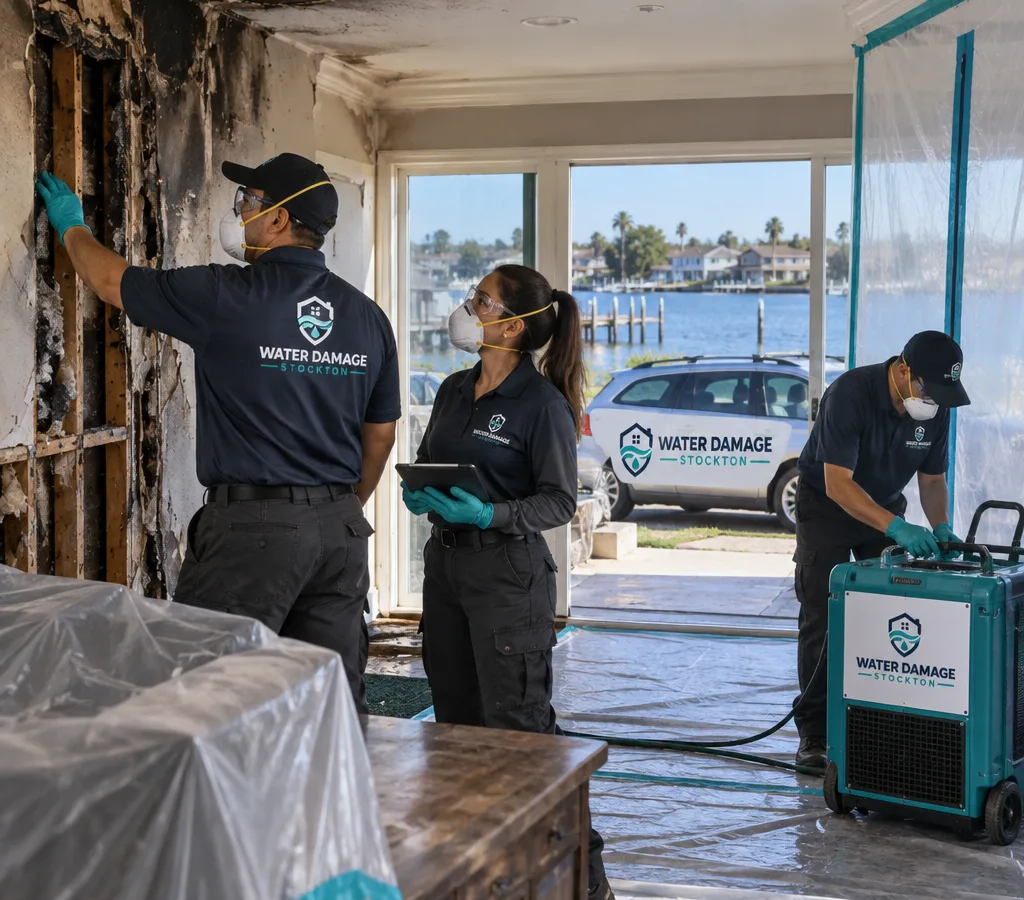
Fire damage cleanup and repairs, handled end to end
Fire restoration Stockton work usually involves more than what you can see. Even a small fire can leave soot in HVAC pathways, smoke odor embedded in porous materials, and water damage from suppression efforts. The right plan starts with identifying what can be cleaned and restored versus what must be removed and rebuilt.
Water Damage Stockton provides fire damage cleanup, smoke and soot removal, deodorization, and restoration repairs for homes and commercial spaces in Stockton. As an experienced water damage restoration team in Stockton, we also handle the wet materials and hidden moisture that often show up after a fire is put out, so you are not coordinating multiple crews with different scopes.
If your property is unsafe to occupy, we can help you stabilize the structure and contents, then move into cleaning, odor control, and reconstruction planning in a logical sequence. You will get a written scope that matches the conditions on site, along with straightforward expectations on timeline and next steps.
What we look for during a fire restoration inspection in Stockton
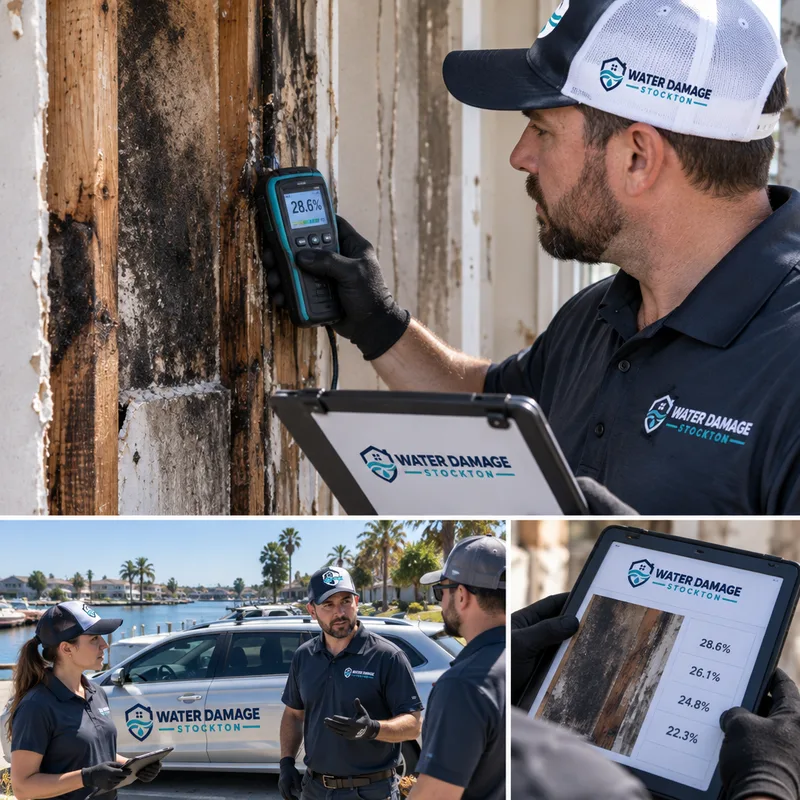
A solid inspection prevents rework. We document damage, map what is restorable, and plan containment so soot does not spread into clean areas.
Common fire damage conditions we assess:
- Soot type and spread—dry soot, oily residue, or protein residue—and what cleaning chemistry it requires
- Smoke pathways through attic, crawlspace, wall cavities, and HVAC returns
- Odor source materials, including carpet pad, insulation, unfinished wood, upholstery, and cabinets
- Water saturation and humidity levels after firefighting, including the risk of secondary microbial growth
- Electrical and mechanical safety concerns before demolition or rebuilding starts
Stockton properties vary widely. Older neighborhoods with more original plaster, lath, or layered remodels can hide smoke and soot in cavities, while newer builds with tight envelopes can trap odor and require careful ventilation and pressure control. Either way, the goal is the same: restore safely, restore completely, and document everything clearly.
Controlled Cleanup
Our fire restoration approach
Stabilize first
We start with safety, securing the affected areas, controlling air movement, and preventing soot transfer to the rest of the building.
Clean with the right method
Dry sponge and HEPA vacuuming, wet cleaning where appropriate, and targeted removal of materials that cannot be restored.
Smoke odor removal
Odor control is built around the source. We use proven deodorization tools, such as hydroxyl or ozone where appropriate, plus sealers when needed, based on the structure and contents.
Contents and surfaces
We sort what can be cleaned and what must be disposed of, then coordinate packing, cleaning, and storage planning when required.
Repair and rebuild planning
Once the space is clean and dry, we outline the repair scope so rebuild work is based on stable, verified conditions.
Clear documentation
Photos, notes, and a written scope help keep decisions consistent from cleanup through repairs.
Measured Response
Fire restoration process: what happens after you reach out
- Step01
On-site assessment and documentation
We inspect the affected areas, identify smoke and soot travel, check moisture conditions, and document everything needed to build a practical scope.
- Step02
Containment and air filtration
We set up containment barriers and negative air when appropriate, and run HEPA filtration to reduce airborne soot and odor-carrying particles.
- Step03
Soot removal and cleaning
We use HEPA vacuuming, dry soot sponging, and surface cleaning to lift residue without driving it deeper into materials.
- Step04
Selective demolition and disposal
Materials that cannot be restored are removed carefully to limit cross-contamination. This often includes insulation, carpet pad, or heavily affected drywall.
- Step05
Deodorization and sealing when needed
If odor sources remain after cleaning, we apply the right deodorization tools and, where appropriate, seal affected framing or subfloors to lock in residual odor.
- Step06
Repairs and final walkthrough
After cleanup is complete and the structure is stable and dry, we move into repairs and confirm the finished work with a walkthrough.
Hidden Migration
Fire damage Stockton property owners often miss: soot and smoke residue travel
Fire damage Stockton projects frequently involve residue beyond the burn area. Smoke follows pressure differences and airflow, so a bedroom fire can leave soot film on doors down the hall, residue in closets, and odor in soft goods across the house.
We pay special attention to:
HVAC systems
Returns and supply runs can spread odor and fine soot. We plan cleaning and filtration around how your system actually moved air during the event.
Attics and crawlspaces
Smoke can migrate into these spaces and settle on insulation, framing, and ducting.
Porous building materials
Unfinished wood, insulation, drywall paper, carpet pad, and fabric can hold odor that standard cleaning will not solve.
If you are also dealing with standing water, wet drywall, or soaked flooring after suppression, addressing the moisture quickly is part of keeping the restoration on track. When water damage is a major part of the loss, our water damage restoration work pairs naturally with fire cleanup so drying, demolition, and rebuild sequencing stay consistent.
How Much Does Fire Restoration Cost in Stockton?
Fire restoration in Stockton typically ranges from about $3,500 to $25,000+, depending on how far smoke and soot traveled and how much material must be removed and rebuilt. A contained, single-room incident with light smoke may fall near the low end, while multi-room soot contamination, heavy odor, and reconstruction push projects higher.
Your final price depends on affected square footage, soot type, contents handling, HVAC involvement, required containment, and demolition and repair scope. The most accurate cost comes after an on-site inspection and a written scope based on real conditions.
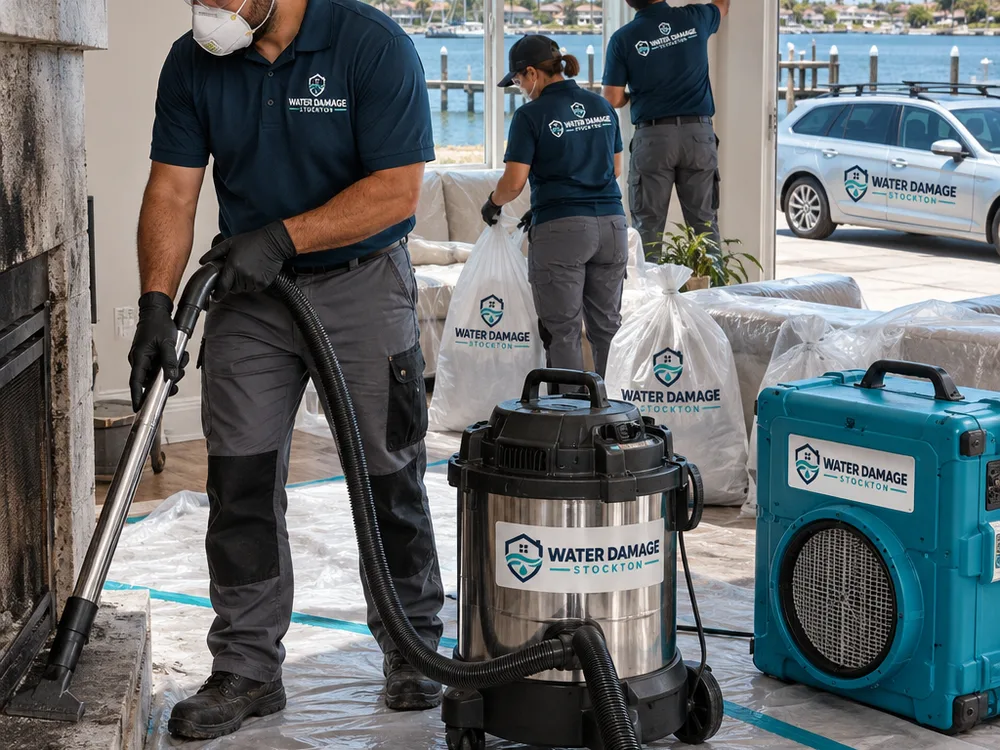
Cleanup in Progress
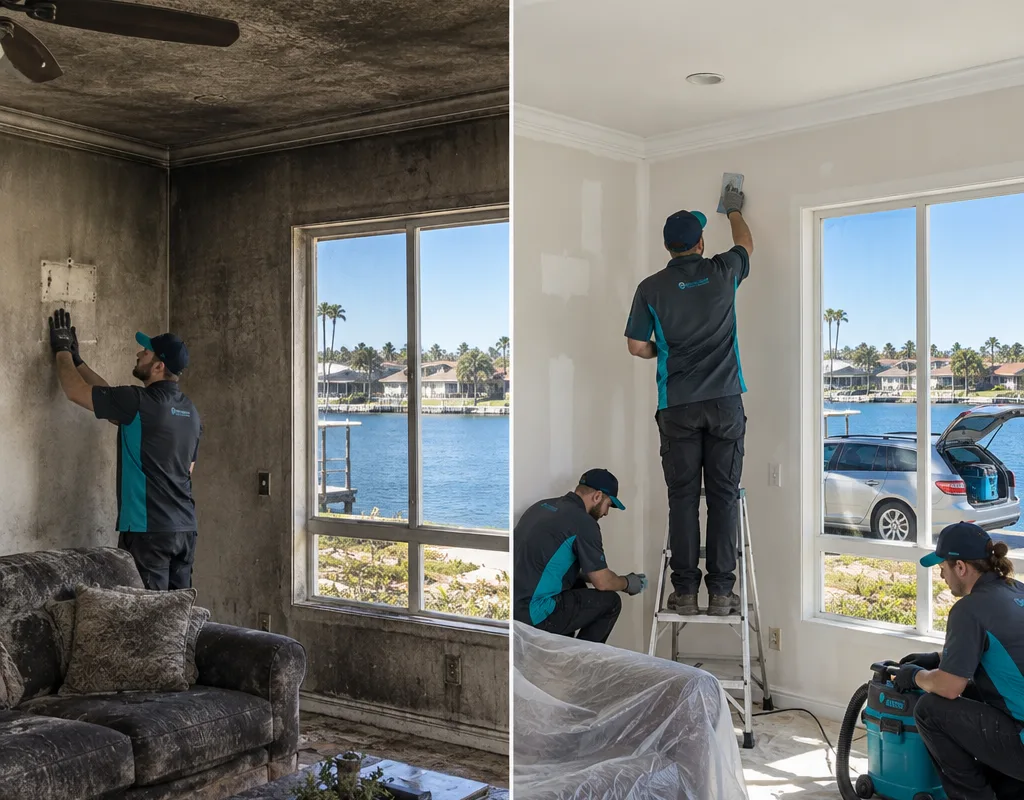
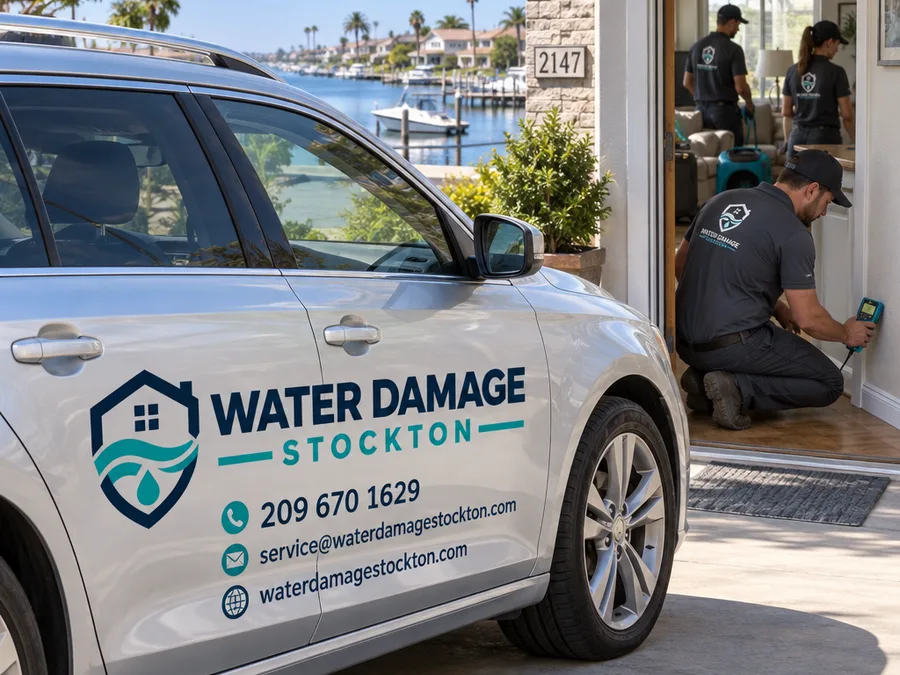
Fire restoration work in progress (typical examples)
Fire restoration FAQs
How fast can you start fire restoration in Stockton?+
Most fire restoration work starts with a same-day or next-day inspection, then immediate stabilization and containment if the site is safe to enter. Timing depends on access, utility status, and whether the property needs to be secured before cleanup begins.
Can smoke odor be removed without tearing out walls?+
Sometimes, yes, if the odor is limited to surfaces and contents and can be cleaned and deodorized effectively. If smoke has penetrated insulation, drywall cavities, or porous framing, selective demolition and sealing may be required for reliable odor removal.
What is included in fire damage cleanup versus repairs?+
Fire damage cleanup focuses on soot removal, cleaning affected surfaces, deodorization, and safe disposal of non-restorable materials. Repairs cover rebuilding tasks like replacing drywall, trim, flooring, cabinetry, or insulation after the structure is clean and stable.
Is it safe to stay in the home during smoke and soot cleanup?+
It depends on the extent of contamination and which areas can be isolated. If we can contain the work zone and maintain good air filtration, some occupants can remain in unaffected areas; in heavy soot or odor situations, temporary relocation is often more practical.
Do you work with insurance for fire damage in Stockton?+
Yes, we can provide documentation, photos, and a clear scope that helps support a claim and keeps cleanup and repairs aligned with what is actually damaged. Coverage and approvals vary by policy, so we focus on making the damage conditions and restoration steps easy to verify.
What should I do right after a fire is extinguished?+
Do not re-enter until authorities say it is safe, and avoid running HVAC or fans that can spread soot. Once the property is secured, the next step is an inspection to plan containment, remove soot safely, and address any water saturation before it causes additional damage.
Need fire restoration help now?
Tell us what happened and what areas were affected. We will schedule an inspection, document the damage, and give you a written scope for cleanup, odor removal, and repairs.
Call for Emergency Help